Best Time to Visit Morocco
A practical seasonal and month-by-month guide to choosing the right time for Morocco's imperial cities, Atlantic coast, Atlas Mountains and Sahara Desert.
The quick answer
Spring (March to May) and autumn (September to November) are generally the most comfortable seasons for a journey that combines cities, mountains and the desert. However, Morocco has several distinct climates, so the best time depends on where you want to go and what you want to experience.
Morocco can feel like several countries in one. Marrakech may be warm while the High Atlas is snowy, and the Atlantic coast can be fresh while the Sahara is dry and hot. Instead of choosing a month based on one temperature chart, plan around your route.
Morocco's different climates
Imperial cities
Marrakech, Fes, Meknes and Rabat are rewarding throughout the year, but walking and sightseeing are usually easiest outside the hottest summer weeks.
Sahara Desert
Desert days can be intense in summer, while winter nights become cold. Spring and autumn often offer the most balanced conditions for camel treks and camps.
Atlas Mountains
Elevation changes everything. Summer is useful for high-altitude hiking, while winter can bring snow, closed routes and the need for specialist preparation.
Atlantic coast
Essaouira, Agadir and other coastal destinations are moderated by the ocean. They can be a comfortable escape when inland Morocco is hot.
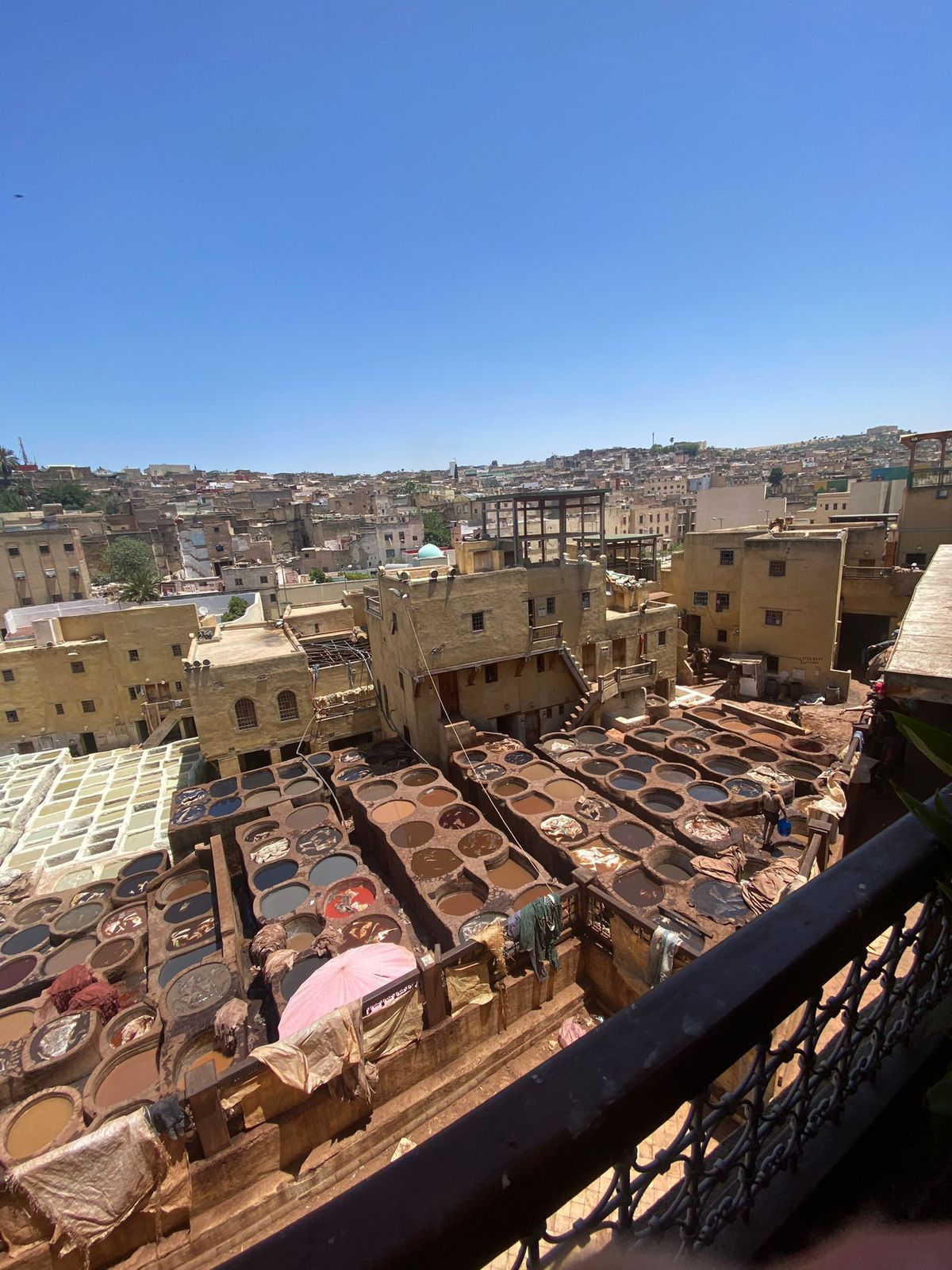
The cooler parts of spring and autumn are ideal for exploring the lanes of Fes on foot.
Morocco season by season
Spring: March to May
Best for: multi-city tours, desert journeys, valleys, gardens and moderate hiking.
Spring is one of Morocco's most versatile travel seasons. Days are often comfortable across the main touring routes, landscapes can be greener, and the heat is usually more manageable than in midsummer. Mountain weather can still change quickly, so bring layers and confirm conditions before longer hikes.
Summer: June to August
Best for: Atlantic beaches, high-mountain routes and travellers comfortable with heat.
Summer is hot in Marrakech, Fes, the southeast and the Sahara. Sightseeing is better early in the morning and later in the day, with water, shade and a slower pace. The Atlantic coast is generally more comfortable, making Essaouira and nearby coastal areas good additions to a summer itinerary.
Autumn: September to November
Best for: desert camps, road trips, imperial cities and photography.
As summer heat eases, autumn becomes another excellent all-round season. September may remain warm inland, while October and much of November are often pleasant for combining Marrakech, the kasbah routes, Merzouga and Fes. Pack a warm layer for desert evenings.
Winter: December to February
Best for: quieter city visits, clear desert days and snow scenery in the Atlas.
Winter can bring sunny daytime conditions in lower regions, but mornings, evenings and desert nights may be cold. Snow affects parts of the Atlas, and mountain journeys require current local advice. A warm jacket is essential even when daytime sunshine feels mild.
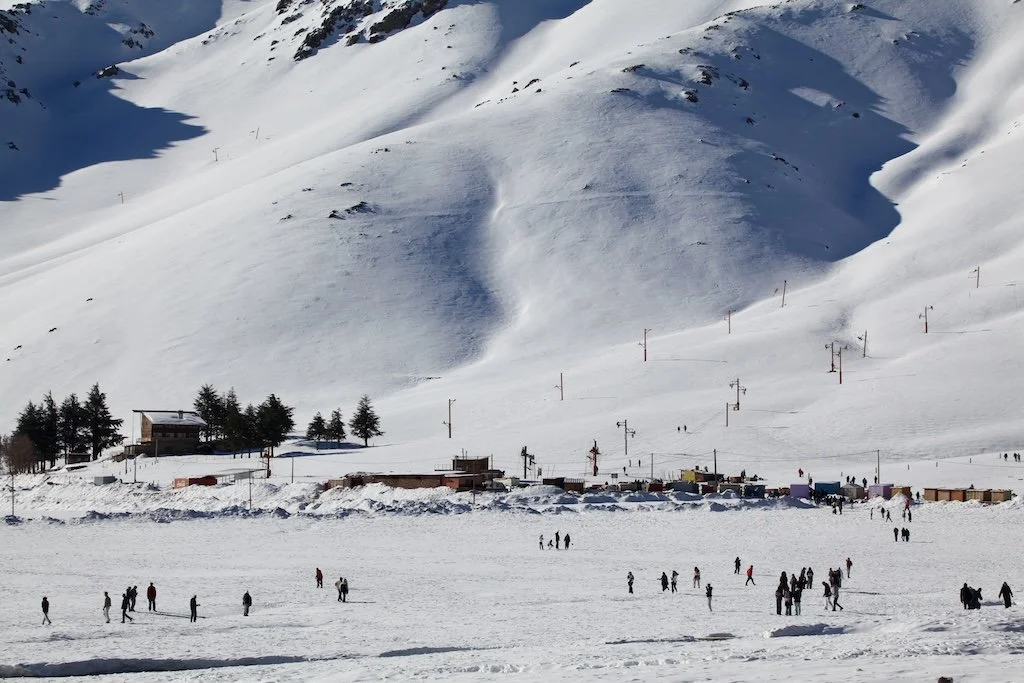
Winter in the Atlas can be beautiful, but road and trail conditions should always be checked locally.
Month-by-month Morocco guide
| Month | What to expect | Good choices |
|---|---|---|
| January | Cool mornings and nights; possible Atlas snow. | Cities, southern routes and desert days with warm clothing. |
| February | Late-winter conditions with gradually longer days. | Marrakech, Fes, desert routes and quieter sightseeing. |
| March | Spring begins; conditions can vary by elevation. | Multi-region tours, valleys and Sahara journeys. |
| April | Generally pleasant touring weather; a popular period. | Cities, desert, coast and lower mountain walks. |
| May | Warmer days, especially inland and toward the desert. | Grand tours, Atlas valleys and the Atlantic coast. |
| June | Summer heat builds inland. | Coastal stays, early sightseeing and mountain routes. |
| July | Very hot in many inland and desert locations. | Essaouira, Agadir and carefully timed city visits. |
| August | Continued inland heat; busy holiday period in places. | Atlantic coast and higher elevations. |
| September | Still warm, with conditions becoming easier later. | Coast, cities and desert tours with sensible timing. |
| October | One of the most balanced months for broad touring. | Imperial cities, Sahara, kasbahs and road trips. |
| November | Cooler days and increasingly chilly evenings. | Desert tours, cultural visits and photography. |
| December | Winter arrives; cool nights and possible mountain snow. | Cities, southern Morocco and festive-season journeys. |
Best time for each Morocco experience
Sahara camel trek
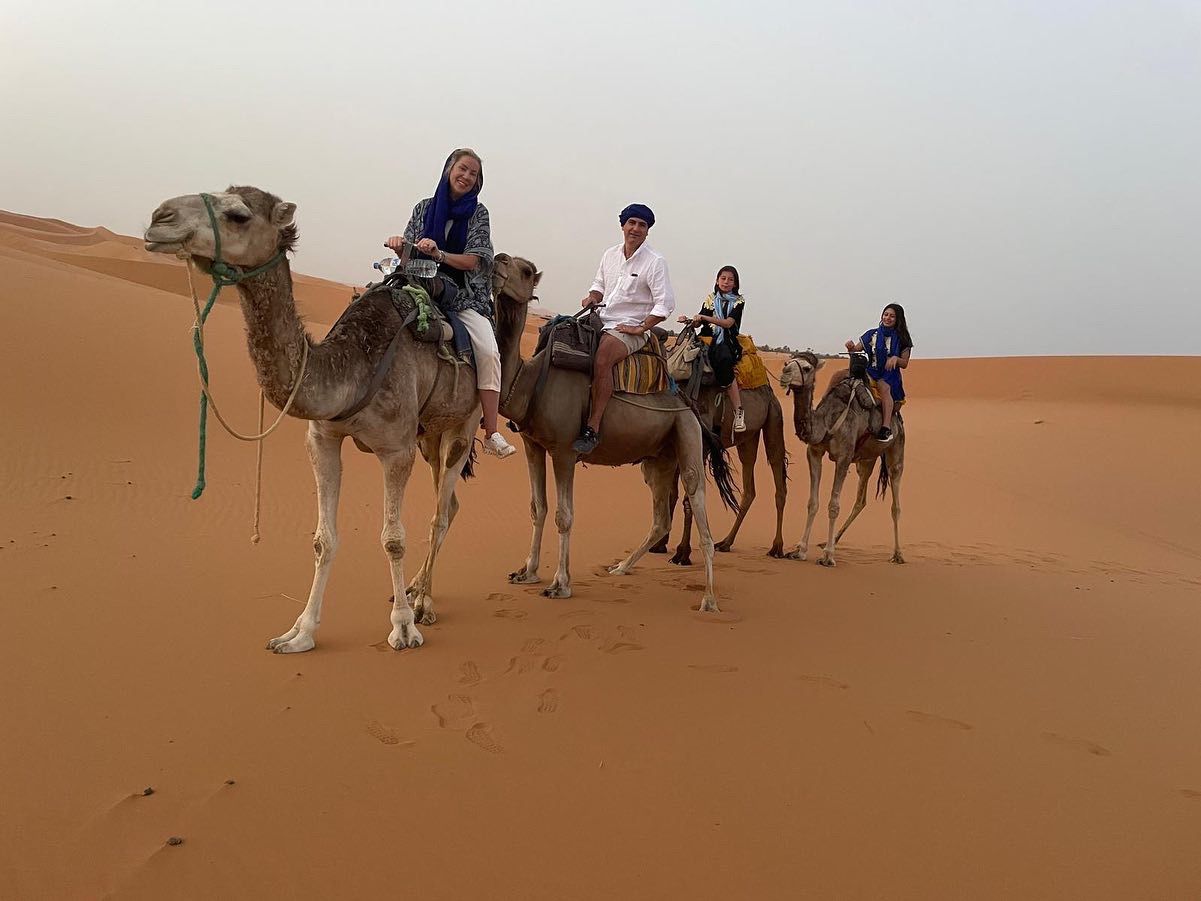
Choose spring or autumn for more balanced daytime and nighttime conditions. Winter is also possible with warm clothing; peak summer requires careful planning.
Explore a Merzouga tour →Marrakech and Fes
March to May and September to November are comfortable for long walks through medinas, palaces and souks. Winter is often quieter but cooler after sunset.
View all tours →Atlantic coast
Late spring through early autumn suits travellers seeking ocean air and a break from inland heat. Essaouira can be breezy, so carry a light layer.
See day excursions →Atlas adventures
Spring and autumn work well for many valley visits. Summer can suit high routes, while winter mountain travel requires appropriate equipment and local checks.
Explore the Atlas →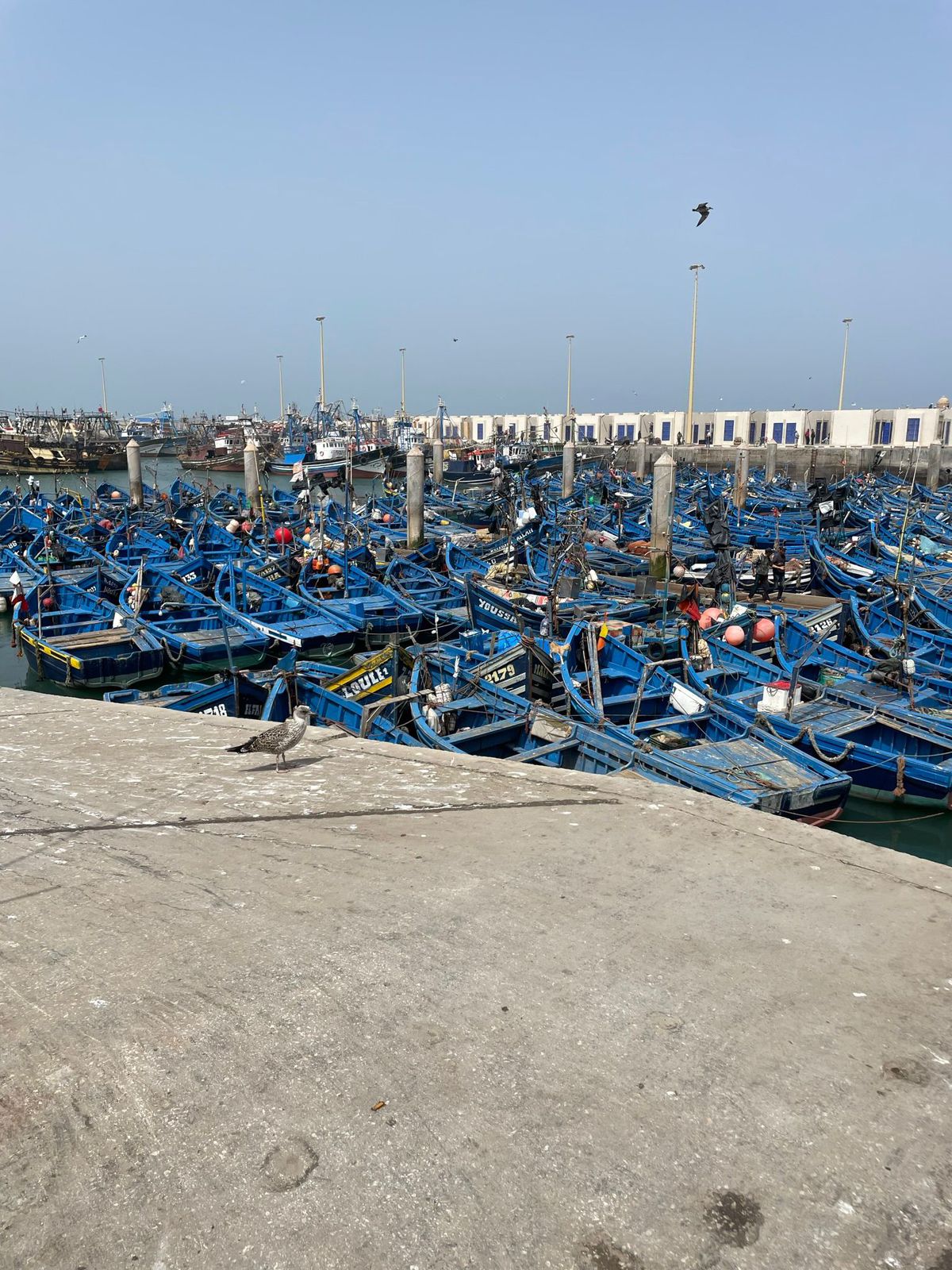
Essaouira's Atlantic setting makes it an attractive option during Morocco's warmer months.
What to pack by season
- All year: comfortable walking shoes, sun protection, a refillable water bottle and respectful clothing suitable for cultural sites.
- Spring and autumn: breathable daytime clothing plus layers for changing temperatures and cooler evenings.
- Summer: light loose clothing, a hat, strong sun protection and an itinerary that avoids demanding activity at midday.
- Winter: a warm jacket, layers and warmer sleepwear for desert camps; specialist gear if your plans include snowy mountains.
Frequently asked questions
What is the best month to visit Morocco?
April and October are strong all-round choices for many travellers because they usually suit routes combining cities, mountains and desert areas. Your ideal month still depends on the exact itinerary.
When is the best time to visit the Sahara Desert?
Spring and autumn generally provide the most comfortable balance. Winter offers cooler days but cold nights, while summer can be extremely hot and requires a carefully adapted schedule.
Is Morocco worth visiting in winter?
Yes. Winter is good for cultural sightseeing and desert routes if you pack for cold evenings. Atlas snow may affect roads and hiking plans.
Can I visit Morocco during summer?
Yes, particularly if you include the Atlantic coast or higher elevations. For inland cities, plan outdoor visits early or late and rest during the hottest hours.
Does Ramadan affect travel in Morocco?
Travel remains possible, but some opening hours and services may change. Ramadan follows a lunar calendar and moves each year, so check the dates for your travel period and be considerate of local customs.
Plan Morocco around the right season
Tell us your travel dates and the places you want to see. We will help shape a private itinerary with realistic distances, suitable activities and local guidance.